Type 1 Diabetes (T1D) is a lifelong challenge that requires precision, constant monitoring, and a deep understanding of how nutrition impacts blood glucose levels. While exogenous insulin remains the primary treatment for this autoimmune condition, the medical community is increasingly exploring functional foods that can act as therapeutic adjuncts. Among these, camel milk has emerged as a scientifically significant ally. Unlike traditional dairy, camel milk contains unique molecular structures that directly support glycemic control and metabolic health.
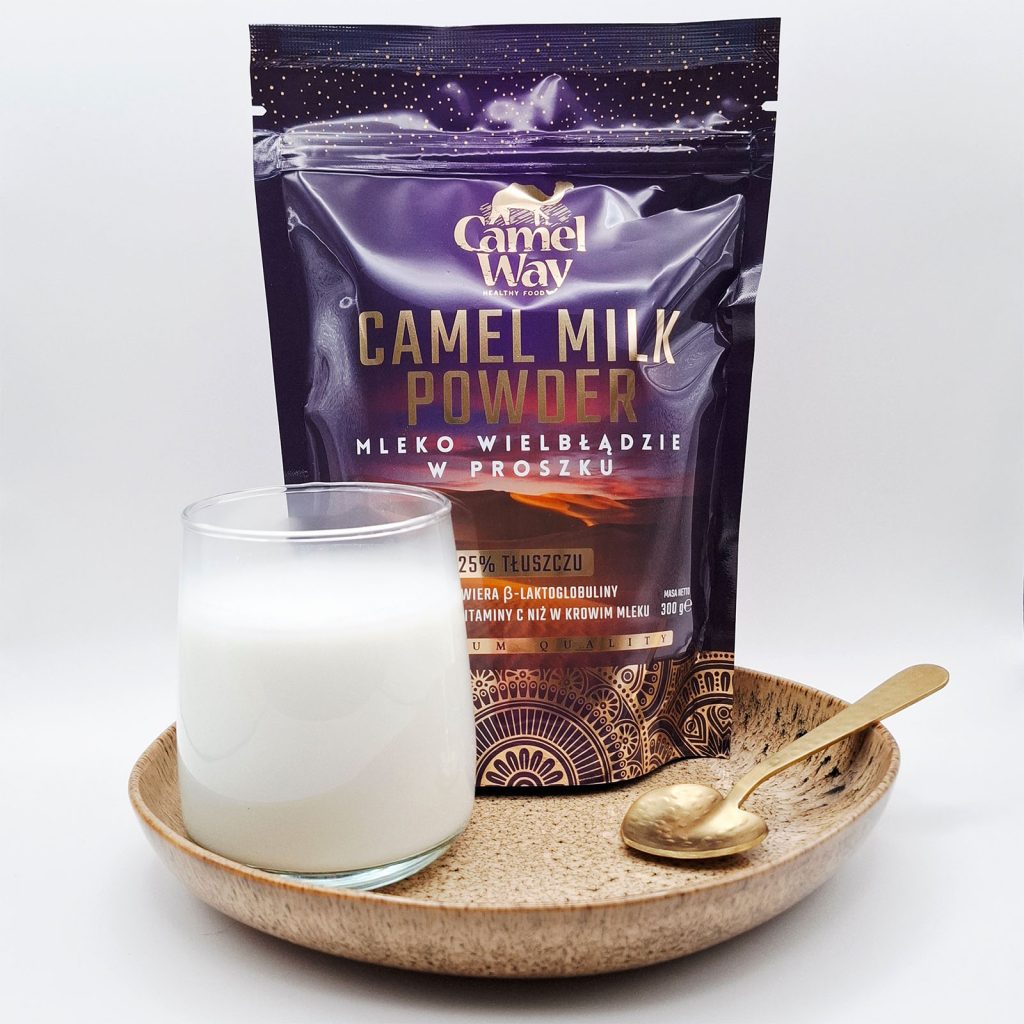
For individuals managing T1D, the goal is often twofold: stabilizing blood sugar fluctuations and, where possible, safely reducing the total daily insulin dose under medical supervision. Recent breakthroughs, including the 2025 CamelWay report published on Zenodo (DOI 10.5281/zenodo.17184240), have provided a clearer roadmap for how camel milk functions within a diabetic diet. If you are looking for a natural way to enhance your management plan, the decision to buy camel milk may be one of the most impactful nutritional shifts you can make.
The Molecular Secret: Natural Insulin-Like Proteins
The most compelling feature of camel milk for diabetics is its high concentration of insulin-like proteins. Research indicates that camel milk contains approximately 52 units of insulin-like activity per liter. However, the presence of these proteins is only half the story; the real miracle lies in their delivery. Standard bovine (cow) insulin is typically destroyed by the highly acidic environment of the human stomach, making it ineffective when consumed orally.
Camel milk is structurally different. It does not coagulate in the stomach. Instead, its proteins, including these precious insulin-like peptides, pass through the stomach and reach the small intestine intact. From there, they are absorbed into the bloodstream where they can exert a hypoglycemic effect. This “bypass” mechanism is a cornerstone of why camel milk powder is being studied as a powerful nutritional tool for glucose regulation.
Evidence-Based Results: Analyzing the Clinical Research
The authority of camel milk as a diabetic adjunct isn’t based on folklore; it is grounded in rigorous clinical trials. The CamelWay research report synthesizes decades of findings, including randomized controlled trials (RCTs) that show consistent benefits for Type 1 patients. One significant 2-year randomized trial demonstrated that patients who added camel milk to their standard insulin therapy saw a marked reduction in their daily insulin requirements compared to the control group.
Another 16-week study involving young adults with T1D revealed that the inclusion of approximately 500ml of reconstituted camel milk daily led to significantly lower fasting blood glucose levels and a reduction in HbA1c (the three-month average of blood sugar). These results suggest that camel milk doesn’t just provide a temporary “fix” but supports long-term metabolic stability. By improving the body’s internal environment, camel milk allows the administered insulin to work more efficiently.
Lowering the Insulin Dose: A Safe and Controlled Approach
One of the most frequently asked questions is whether camel milk can truly lead to a lower insulin dose. According to the systematic reviews indexed on PubMed and summarized in our Zenodo publication, many participants in clinical trials were able to reduce their exogenous insulin dose by 30% to 35% over time. It is crucial to emphasize that this should never be done abruptly or without the guidance of a diabetologist.
The mechanism behind this reduction is likely the result of improved insulin receptor sensitivity and the direct action of the milk’s insulin-like peptides. When you provide the body with a bio-identical source of support, the physiological “stress” of managing high glucose is mitigated. For those on a strict T1D regimen, the consistent use of high-quality camel milk powder provides a predictable baseline of support that can help prevent the “rollercoaster” effect of highs and lows.
Beyond Glucose: Protecting the Pancreas and Liver
Type 1 Diabetes is an autoimmune disease where the body’s immune system attacks the beta cells of the pancreas. Modern research suggests that camel milk contains anti-inflammatory cytokines and antioxidant bioactives that may help protect the remaining pancreatic function. By reducing oxidative stress markers, camel milk acts as a shield for the organs most affected by chronic hyperglycemia.
Furthermore, camel milk has shown a favorable impact on the lipid profile of diabetic patients. It is not uncommon for T1D to be accompanied by issues with cholesterol and triglycerides. Systematic reviews from 2023 indicate that long-term camel milk consumption is associated with a reduction in total cholesterol and LDL (bad cholesterol) while increasing HDL (good cholesterol). This holistic metabolic support is vital for preventing the long-term complications associated with diabetes, such as cardiovascular disease.
The Gut-Brain Axis and GLP-1 Stimulation
Recent studies have highlighted the role of the gut-brain axis in diabetes management. Camel milk has been shown to increase the levels of GLP-1 (Glucagon-like peptide-1), a hormone that stimulates insulin secretion and suppresses glucagon release. This is the same biological pathway targeted by many modern pharmaceutical treatments for diabetes. By stimulating GLP-1 naturally, camel milk helps the body maintain a more balanced metabolic state.
Additionally, camel milk acts as a natural probiotic, fostering a healthy gut microbiome. A balanced microbiome is essential for reducing systemic inflammation, which is a known driver of insulin resistance. For a Type 1 diabetic, a healthy gut means better nutrient absorption and a more stable immune response, both of which are critical for overall wellness.
Nutritional Synergy: Vitamin C, Iron, and Zinc
Managing a chronic condition like T1D requires a surplus of micronutrients to combat the metabolic strain on the body. Camel milk is a nutritional powerhouse that outperforms cow milk in several key areas:
- 3-5x More Vitamin C: A potent antioxidant that helps repair tissues damaged by high blood sugar and supports the immune system.
- 10x More Iron: Essential for oxygen transport and energy levels, which can often be depleted in diabetic patients.
- High Zinc Content: Zinc plays a critical role in the synthesis and storage of insulin within the pancreas.
This “nutritional synergy” ensures that while you are targeting blood sugar levels, you are also fortifying the rest of the body against the wear and tear of the disease.
Why CamelWay’s Low-Temperature Spray Drying is Essential
If you are using camel milk as a medical adjunct, the quality of the product is non-negotiable. Standard high-heat pasteurization and industrial drying can denature the very insulin-like proteins and immunoglobulins that provide the therapeutic benefit. A denatured protein is simply another food source; it loses its biological instruction manual.
At CamelWay, we utilize advanced Low-Temperature Spray Drying. This gentle process ensures that the “White Gold” remains bio-active and functional. Our powder is sourced from elite herds in Dubai and processed to meet rigorous EU standards. This ensures that every glass of milk you prepare from our camel milk powder delivers the full scientific potential mentioned in the Zenodo and PubMed studies. When you choose CamelWay, you are choosing a product backed by real research and family-managed integrity.
Practical Integration: A Guide for Type 1 Diabetics
To see measurable results in HbA1c and glycemic control, consistency is the most important factor. Based on the clinical data, here is the recommended approach for integrating camel milk into a T1D diet:
- The Daily Amount: Most successful studies utilized a daily intake of approximately 500ml of reconstituted camel milk. This can be split into two servings—one with breakfast and one as an evening snack.
- Preparation: Use two tablespoons (20g) of CamelWay powder for every 200ml of water. Ensure the water is warm (around 40°C) to protect the proteins while ensuring smooth dissolution.
- Monitor and Document: Keep a detailed log of your blood glucose levels and insulin doses as you begin. You may notice a gradual decline in your fasting numbers after the first 4 to 8 weeks.
- Consult Your Doctor: Share our Zenodo research report with your healthcare provider. They can help you adjust your insulin units safely as the camel milk begins to exert its hypoglycemic effect.
Conclusion: A New Chapter in Diabetic Care
Managing Type 1 Diabetes will always require diligence, but science is proving that we don’t have to rely on synthetic interventions alone. Camel milk offers a unique, bio-active bridge between ancient wisdom and modern clinical proof. With its natural insulin-like proteins, protective antioxidants, and metabolic support, it stands as the premier functional food for the diabetic community.
By incorporating CamelWay into your routine, you are not just drinking milk—you are engaging in a targeted nutritional strategy designed to improve your quality of life. Experience the difference that bio-identical nutrition can make for your glycemic control and long-term health.
Take control of your metabolic wellness today. Buy camel milk and join the 1,200+ families who trust CamelWay for premium, science-backed support.